


The wonders of titanium

2019-12-20


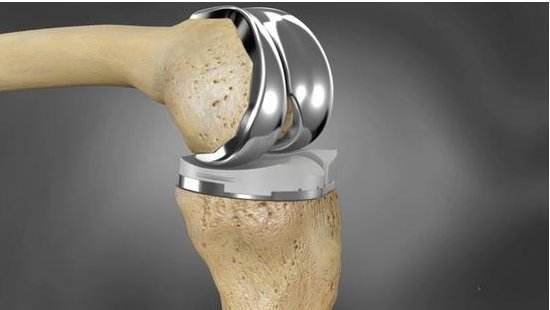
Titanium's remarkable properties are primarily demonstrated in its behavior at ultra-low temperatures, where it becomes even harder and exhibits superconducting properties, unlike steel which becomes brittle and ineffective. Its specific gravity is only half that of iron, yet it withstands hammering and drawing like copper. Titanium possesses strong resistance to acid and alkali corrosion; it remains uncorroded after five years of immersion in seawater, whereas steel corrodes and deteriorates under the same conditions. Titanium alloy hulls for ships are impervious to seawater corrosion. 'Titanium submarines,' constructed from titanium alloys, can dive to depths of 4500 meters, while ordinary steel submarines are easily crushed by water pressure at depths exceeding 300 meters. 'Titanium aircraft' are strong and lightweight; a large titanium passenger plane can carry over 100 more passengers than a similarly weighted conventional aircraft, and can reach speeds exceeding 3000 kilometers per hour, compared to 2400 kilometers per hour for aluminum alloy aircraft. Titanium and zirconium's strong absorption of air can be utilized to create a vacuum. Vacuum pumps made from titanium-zirconium alloys can evacuate air to a level of one part in a billion. In the aerospace industry, titanium can be used to create spacecraft 'outer shells' to protect against high temperatures. The alloy of titanium and nickel is known as 'shape memory alloy.' This alloy, formed into a predetermined shape and then set, will revert to its original form upon slight heating after deformation by external forces. This alloy is currently used in many fields. Titanium carbide (TiC) resembles iron carbide, possessing a metallic luster. However, it has a higher melting point and hardness than iron carbide, making it practically valuable. Food stored in titanium containers retains its color, aroma, and flavor for extended periods. Titanium cookware is lightweight and rust-proof, making it scientifically hygienic. High-pressure containers made of titanium alloys can withstand pressures of 2500 atmospheres. Titanium's applications in surgical procedures are also fascinating. Currently, stainless steel is used for bone grafts, but it has the drawback of requiring removal after bone healing, a painful process. Otherwise, the stainless steel may rust and harm the body. Replacing it with titanium 'artificial bones' would revolutionize orthopedic surgery. In areas of skull damage, titanium plates and screws are used; after a few months, bone will regrow into the small holes in the plates and screws, and new muscle fibers will encapsulate the titanium sheets. The titanium bone structure integrates with the flesh like real bone, providing support and reinforcement. Therefore, titanium is praised as a 'biocompatible metal.' It is now used in knee, shoulder, rib, skull, heart valve, and bone fixation clips. In the steel industry, small amounts of titanium serve as an excellent deoxidizer, denitrogenizer, and desulfurizer. Barium titanate crystals are widely used in ultrasonic instruments and underwater detectors because they generate an electric current when their shape changes under pressure; conversely, applying an electric current changes their shape. When placed in an ultrasonic field, barium titanate generates a current, the magnitude of which indicates the strength of the ultrasound. Conversely, passing a high-frequency current through it generates ultrasound. In gold-plated decorative crafts and daily necessities, the low hardness, susceptibility to punctures, and wear of gold limit its durability. Coating these materials with a layer of titanium nitride results in an appearance almost identical to gold plating, but with greater wear resistance than gold or hard alloys. This coating is praised for its 'imperishable' nature. Organotitanium polymers can be used as surfactants, dispersants, water repellents, or rust inhibitors. Among the four series of hydrogen storage metals currently used by humans, titanium-based alloys are one type and relatively inexpensive. However, a more ideal 'hydrogen storage metal' has not yet been found. Once this problem is solved, hydrogen can be used as fuel.

< 1 > proceed page